Essential Year 11 Study Tips for GCSE Success

Written by
Corey CrossFounder & Computer Science Teacher
Corey is a qualified Computer Science teacher (QTS) who still teaches GCSE Computer Science and OCR Level 2 IT every week. He founded Revision Genie and writes the platform himself.
Introduction
Year 11 is a critical year for GCSE students in the UK. With exams just around the corner, it's essential to adopt effective study habits and techniques to maximise your performance. In this guide, we’ll explore practical year 11 study tips, tailored to help you succeed in your GCSEs and build skills for A-Level studies.
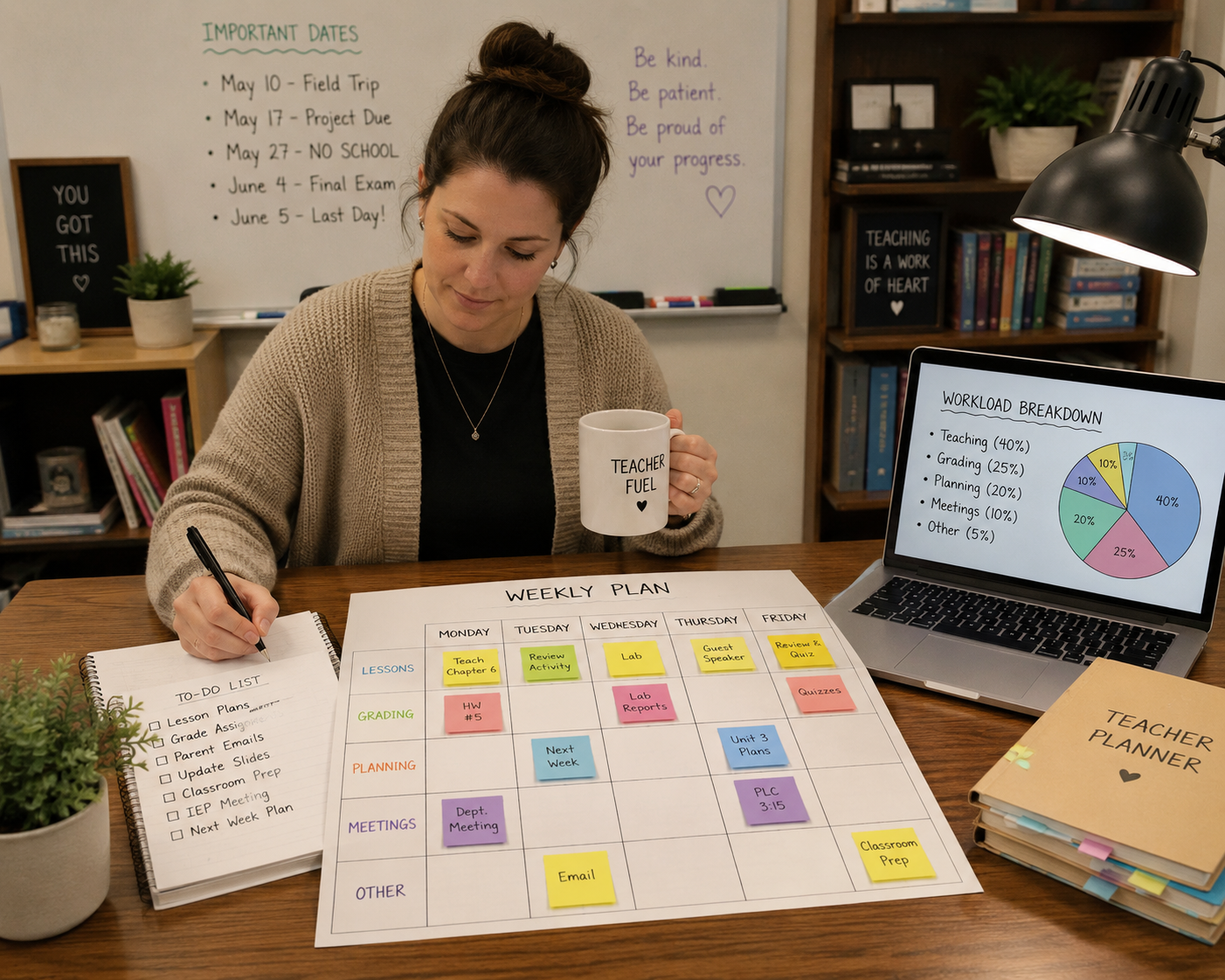
Organise Your Study Schedule
Why a Study Schedule Matters
A well-organised study schedule helps you allocate time efficiently, ensuring you cover all subjects and topics. It reduces last-minute stress and promotes consistent learning.
How to Create a Study Schedule
- Use a planner or digital tool: Apps like Google Calendar or specialised study apps can help you organise your time.
- Prioritise subjects: Focus more time on subjects or topics you find challenging.
- Set realistic goals: Break down your revision into manageable chunks, like studying one topic per hour.
Effective Study Techniques
Active Revision
Passive reading isn’t enough. Engage with the material actively using techniques like:
- Mind Maps: Visualise connections between topics.
- Flashcards: Perfect for memorising key terms and concepts.
- Quizzes: Test yourself regularly to identify gaps in your knowledge.
Use Past Papers
GCSE exams follow specific formats and mark schemes. Familiarise yourself with these using past papers:
- Download past papers from exam board websites like AQA, OCR, or Edexcel.
- Time yourself to simulate exam conditions.
- Compare your answers to the mark scheme to understand how points are awarded.
Need extra guidance? Our AI tutors can help you master exam techniques. [LINK:/genies]
Exam Technique Tips
Understand the Marking Criteria
GCSE examiners follow specific criteria to award marks. Learn these criteria and structure your answers accordingly:
- Command words: Words like "describe," "explain," or "evaluate" dictate how you should answer.
- Show your working: For maths and science, always include calculations, even if the final answer is incorrect.
- Stick to the point: Avoid irrelevant information—focus on answering the question directly.
Time Management in Exams
Allocate your time wisely during exams:
- Read through the entire paper first to gauge question difficulty.
- Spend more time on high-mark questions but ensure you attempt all questions.
- Leave a few minutes at the end to review and check for mistakes.
Practice Exercise: Create Your Revision Plan
Follow these steps to put your study tips into action:
- List all your subjects and topics.
- Identify areas of strength and weakness.
- Choose two active revision techniques to practise this week (e.g., mind maps and flashcards).
- Schedule one past paper session for each subject.
- Evaluate your progress at the end of the week and adjust accordingly.
Looking for more personalised guidance? Explore our interactive lessons. [LINK:/lessons]
Take Care of Yourself
Balance Study with Rest
While revision is crucial, overworking can lead to burnout. Ensure you:
- Sleep well: Aim for 8 hours of sleep per night.
- Eat healthily: Fuel your brain with nutritious foods like fruits, vegetables, and nuts.
- Stay active: Physical exercise helps reduce stress and improves focus.
Manage Stress
Feeling overwhelmed? Try techniques such as:
- Meditation: Apps like Headspace can guide you through relaxation exercises.
- Talking to someone: Share your concerns with a teacher, parent, or friend.
- Breaks: Use the Pomodoro technique: 25 minutes of study followed by a 5-minute break.
Conclusion
Year 11 is a stepping stone to your future success. By following these practical year 11 study tips, you can tackle your GCSEs with confidence and develop skills that will benefit you in A-Levels and beyond. Remember, consistency is key, and getting started early will make all the difference.
About the author

Written by
Corey CrossFounder & Computer Science Teacher
Corey is a qualified Computer Science teacher (QTS) who still teaches GCSE Computer Science and OCR Level 2 IT every week. He founded Revision Genie and writes the platform himself.
- Qualified Teacher Status (QTS)
- Currently teaching GCSE Computer Science and Level 2 IT (OCR)
- 4 years' classroom teaching experience
- Degree in Web Design & Development, University of Hull